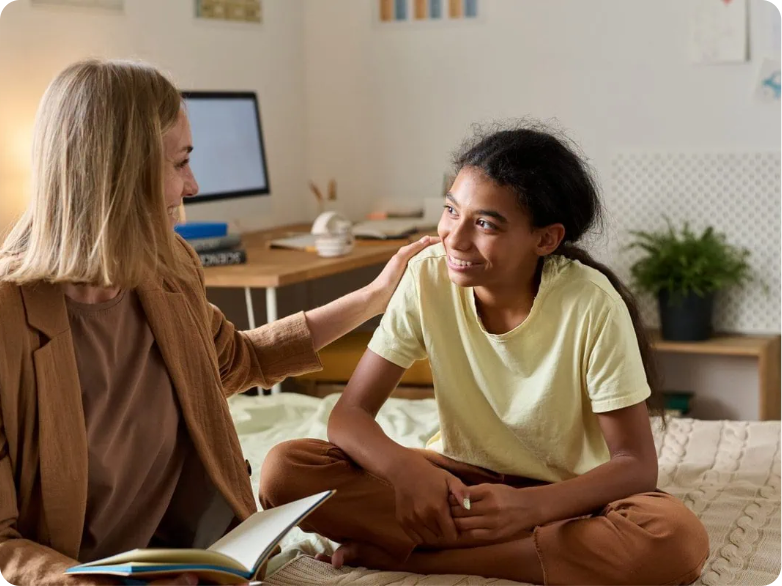
The Benefits of Therapeutic Gaming in Mental Health Treatment
When facilitated by a licensed clinician, gaming becomes a structured therapeutic medium that can support regulation, communication, and engagement—especially in telehealth.
 By Angela Phillips, Licensed Professional Counselor
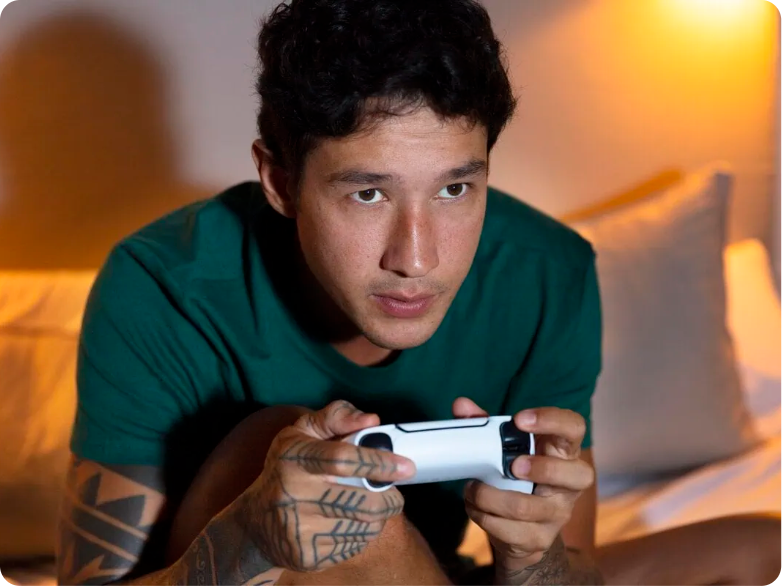
The game is the session, not a reward after it
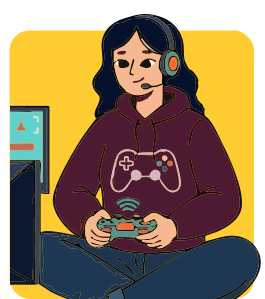
I’m Angela Phillips, a Licensed Professional Counselor at Theralynx. Therapy Through Online Gaming is not a prize you get if you sit still for 40 minutes of talk. The game is the room. We are in Minecraft, Fortnite, Roblox, a co-op story game, or whatever we chose on purpose, and the clinical work happens in the same hour: how you handle frustration, how you talk to another person when a plan falls apart, whether you can notice your body before you rage-quit.
I offer this because a lot of the teens and adults I see in Roanoke, Lynchburg, and on video across Virginia will not use a silent office the way a brochure expects. They will talk while building a base. They will show me a social pattern in a raid that they cannot describe at a kitchen table. That is still psychotherapy. I am still an LPC. We still have goals.
Who this is actually for
Therapeutic gaming can be a strong door in for adolescents, young adults, neurodivergent clients, people with social anxiety who find eye contact exhausting, and anyone who has tried traditional talk and left feeling like they failed the format. You do not need to be a skilled gamer. I pick titles for comfort, access, and the skill we are targeting—not because a game is trendy.
It is a poor fit if you want me to watch you play while you avoid the thing you came in for. It is also a poor fit if talk therapy is already working and a parent is hoping a game will make a teenager “more interested.” If individual counseling on video or in person is going fine, we keep that. Gaming is an expansion of how therapy can work, not a replacement I push on people who already have a voice in the room.
A 16-year-old I worked with could name almost nothing about anxiety in the first two talk sessions. In a cooperative game he could tell me, in real time, when his chest tightened because a teammate went off-script. We used that. We did not pretend the loot was the point.
What I am doing as the clinician
I am not your duo partner. I am tracking regulation, communication, problem-solving, and the stories you tell about yourself when you lose. Games give immediate feedback. They also lower some defenses: it is easier to practice asking for help when the stake is a dungeon and not a confession. For clients with ADHD or autism, predictable rules and visual feedback can make the hour more usable than an open-ended “how was your week.”
Sessions are still about 50 minutes, on a HIPAA-compliant telehealth platform. You need to be located in Virginia or a Counseling Compact state during the session. In-home and future office hours at 123 West Lee Avenue in Vinton are separate formats; gaming is built for video because that is where the shared world lives.
I will not use a game that fights your values or your safety plan. If a title is mostly about humiliation or compulsive spending, it is out. If trauma is active and a combat game is flooding you, we change the medium or we go back to talk. Clinical judgment beats a cool screenshot.
What the research frame is—and is not
Play and experiential work have a long history in mental health care. That does not mean every streamer is doing therapy. The difference is a licensed clinician, informed consent, a treatment goal, and the option to stop the game and talk when something important shows up. I do not diagnose “gaming addiction” because someone likes Baldur’s Gate. If use is getting in the way of school, sleep, or relationships, that is a different conversation—see how I think about hobby versus harm.
Theralynx currently accepts Sentara, Aetna, and Optum. Fees are explained before you schedule. No referral is required. If you are in crisis, call 911 or 988; a game session is not emergency care.
If this sounds like the way you or your teen might actually show up, read therapeutic gaming and request an appointment. You can also start with Bekah Lynx if couples work or in-home care is the better first step, and we will sort format from there.
What a parent should know
If you are booking this for a teen, I will still need consent, a sense of what is going on at school, and a way to reach you that does not turn every session into a report card. I will not narrate the game to you play-by-play. I will talk with you about goals, safety, and whether we should switch to ordinary talk if the game becomes a hiding place.
Veterans and adults who already use games as a primary social world are welcome too. The point is not age. The point is whether a shared digital space lets us do the work you came for.